Plants and garden types - Love your native flora!
The David Suzuki Foundation recommends that you build a pollinator garden with a minimum of 50% of native plant biomass in their gardens. These are trees, shrubs, grasses, and wildflowers that are native to this area of Ontario. Greater Sudbury is located in the northern Deciduous-Evergreen Forest region of the Great Lakes-St. Lawrence Forest Region ecological zone. We're in the Boreal Hardwood Forest Transition - zone 13 bird gardening zone, and zone 4b plant hardiness zone.
A native plant garden can range from growing a prairie in your backyard to a small patch of native wildflowers at your front door. You can also do native draught-tolerant meadow plants in pots on the balcony.
Gardens can reflect different habitats - woodlands, prairie pockets and maintained meadows, and wetland and pond gardens.
Urban native gardens can look stunning, and a plus is that after they are established, they typically need little maintenance because they replicate functioning plant communities - an ecosystem. They need less water, chemicals and fertilizers, they have less pest problems and cope better with environmental stresses such as drought and diseases. And they create urban habitat for pollinators and other creatures, and perpetuate local biodiversity.
Source: The New Ontario Naturalized Garden, Lorraine Johnson, 2001.
Natives, Cultivars, Exotics and Invasives

Butterfly Weed
Natives
Planting native plants is one of the best ways to support our native pollinators. Native plants are plants that have been growing naturally in our area for thousands of years, before European colonization. Native plant species have evolved alongside our native insects, so our pollinators are adapted to using them to meet all their needs. By planting native plant species, you will be providing pollinators with much-needed food, shelter, and nest-building materials. Also, gardening with native plants can be really simple due to their suitability for our region's climate and environment.

Milkweed Asclepias Incarnata "Cinderella"
Nativars or Cultivars
Nativars, or cultivars of native species don’t provide as many benefits to pollinators, and can be thought of as being “candy” - attractive but not necessarily nutritious! Often nativars have been bred to have certain flower characteristics that are considered more attractive to people, such as extra petals or a different flower shape. This can make it more difficult for pollinators to access pollen and nectar, or reduce the amount of pollen and nectar available for them. You can often recognize nativars at the nursery because the label will include a cultivar name in quotes after the latin name (e.g. Asclepias incarnata ‘Cinderella’ rather than simply Asclepias incarnata).
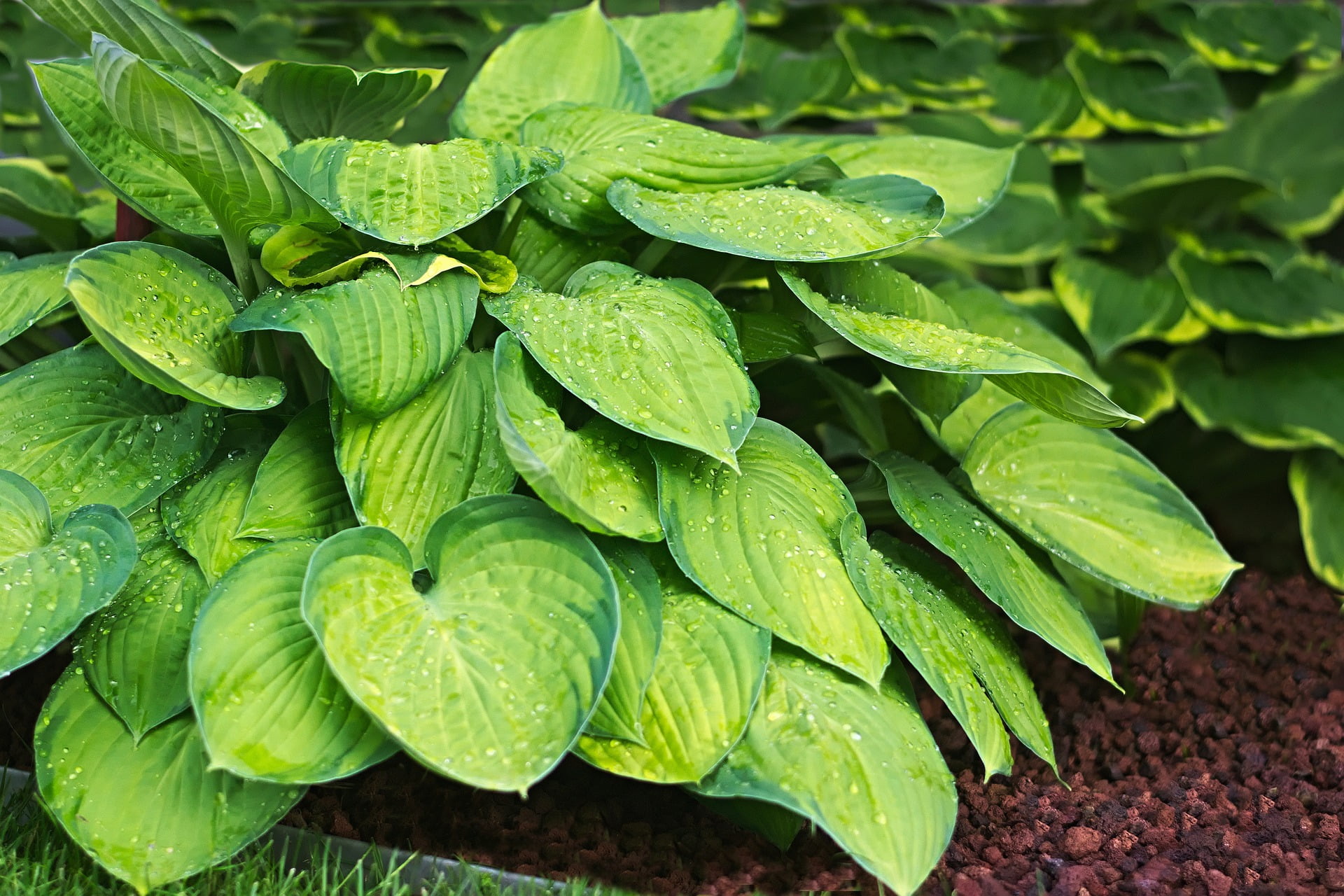
Hosta
Exotics
Exotic plants are plants from another part of the world that have been introduced accidentally or intentionally by humans. Though there are some exceptions, most exotic plants do not support pollinators as well as native plants because native pollinators are not adapted to feed on these plants. Many specialized pollinators will not even visit exotic flowers because they don’t meet their nutritional needs. So, if you want to garden to support pollinators, we recommend that you use native plants rather than exotic plants.
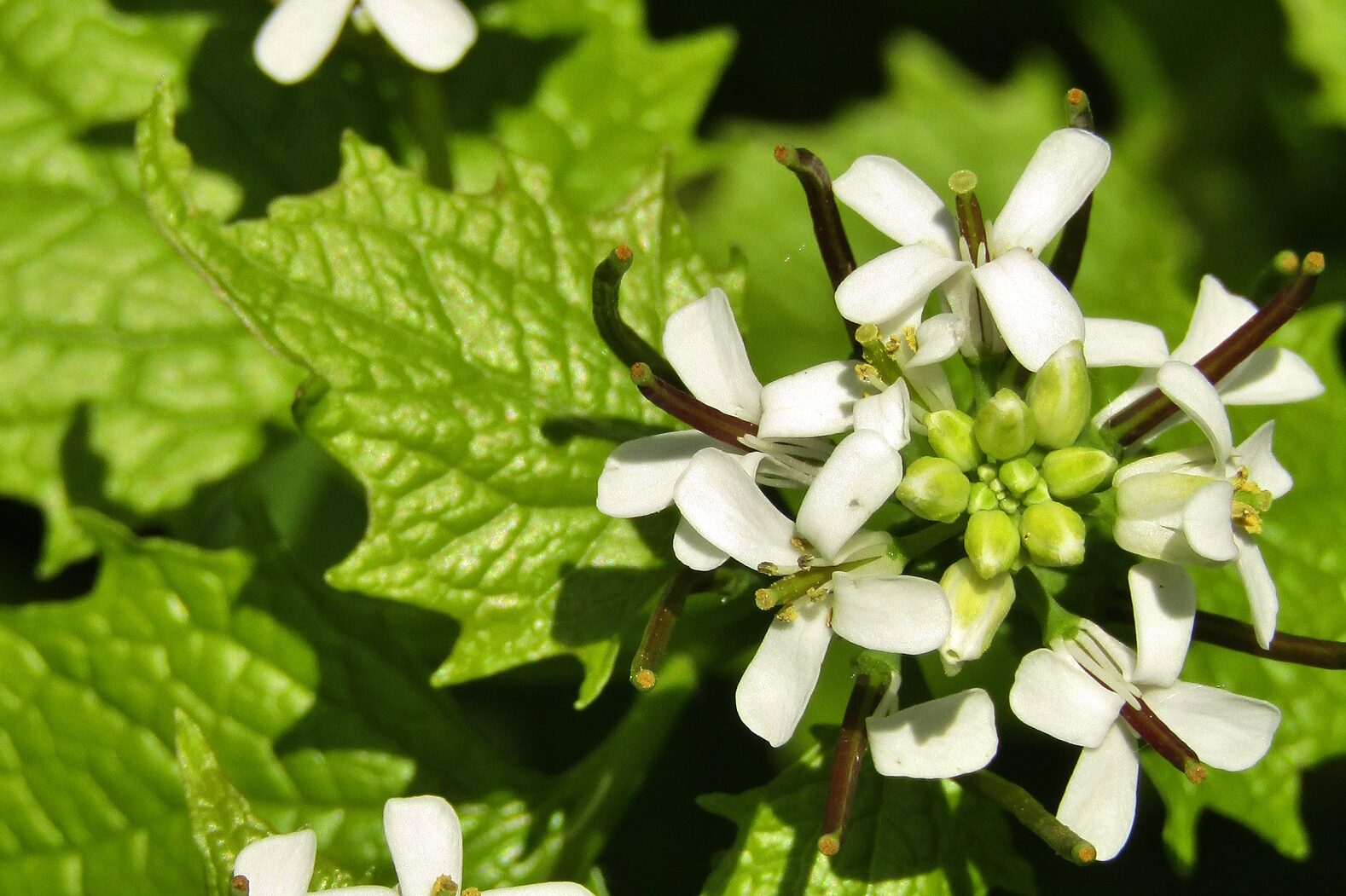
Garlic mustard
Invasives
Invasive plants are exotic plants that damage ecosystems and threaten local biodiversity. They harm our delicately balanced ecosystems, outcompeting native species.They are pervasive, they move aggressively and they are hard to get rid of once they establish themselves. Invasive species are now considered only second to habitat loss as the highest threat to biodiversity. Please DO NOT use invasive plants in your garden. For a list of common invasive garden plants and suitable native replacements in Northern Ontario, click here.
source: Hamilton Pollinator Project
Note that there are some "naturalized" plants that you can find in our wooded and open field areas. These are non-native (exotic) plants that have spread and now grow in the wild. Examples in the Greater Sudbury area include Queen Anne's lace, which is native to Europe and southwest Asia, and is an invasive plant. So be careful if you see plants that are growing in the forest - do not assume that they are all natives.
You should also never dig up plants in the bush to plant them in your gardens - that is very damaging to the ecosystem. Purchase seeds, or source your plants from local nurseries or local gardeners who are willing to separate theirs to share. Some garden centres are not always the best source of information about native plants, so make sure you ask further questions if you doubt that a plant is native. And ask them about their sources to make sure they are not doing wild-collection.
You can get seeds from Northern Wildflowers.